
5 Simple Tips for Building a Daily Writing Habit

Introduction
Starting a writing habit can be one of the most rewarding creative endeavors, but many struggle to make it a consistent part of their daily routine. In this post, we’ll explore simple strategies that can help you build and maintain a daily writing practice. Whether you are a budding writer or a seasoned pro, these tips can get you into the habit of writing each day!

1. Start with Small, Manageable Goals
The key to building a sustainable writing habit is to start small. Trying to write 1,000 words a day right off the bat can feel overwhelming and might cause burnout. Begin with achievable goals, such as writing for 10 to 15 minutes every day. Gradually increase your writing time as the habit becomes a part of your routine.

2. Make Writing a Priority
In order to write daily, it’s essential to treat it as a priority. Block off a specific time in your schedule each day for writing, and try to stick to it as consistently as possible. Whether it’s first thing in the morning, during lunch, or late at night, find a time that works for you and make it a non-negotiable part of your routine.

3. Eliminate Distractions
Distractions are one of the biggest obstacles to maintaining a writing habit. To combat this, create a distraction-free environment. Turn off notifications, close unnecessary tabs on your computer, and let others know that you are in a focused writing session. The fewer interruptions, the more productive you’ll be.

4. Use Prompts to Keep You Going
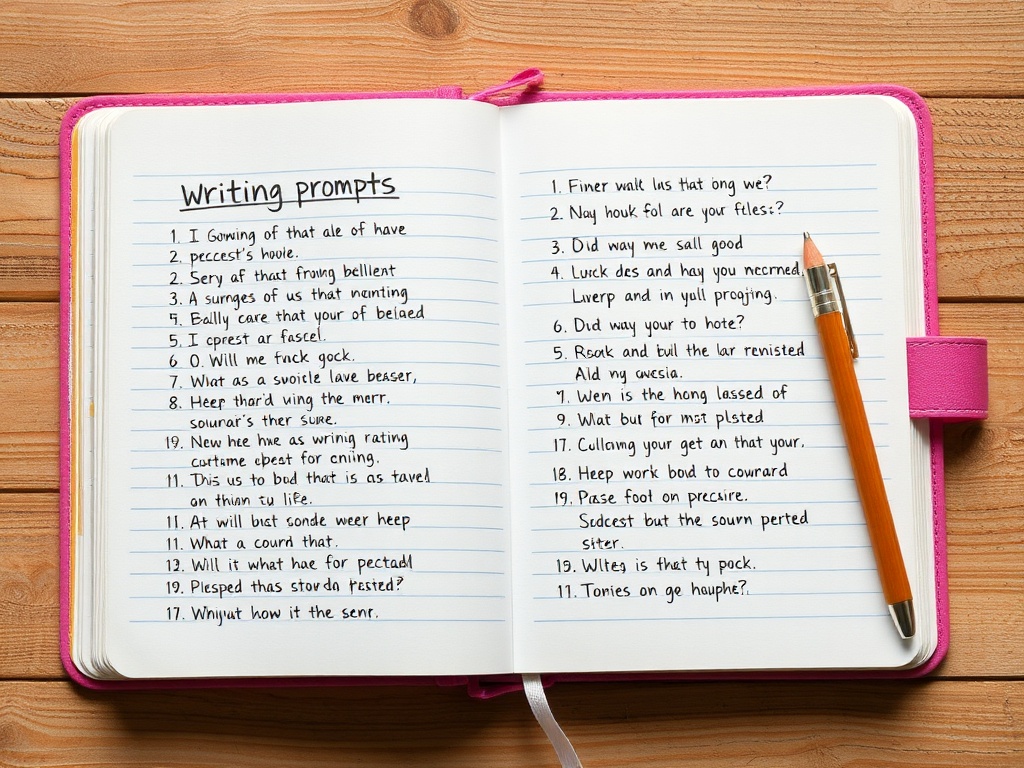
Sometimes, staring at a blank page can be daunting. One way to overcome writer's block is to use writing prompts. Prompts give you a starting point and allow your creativity to flow. Whether you find prompts online or create your own, they can be an excellent tool to keep you writing every day.
5. Track Your Progress and Reward Yourself
Tracking your progress helps you stay motivated. Use a journal, app, or calendar to mark off each day you write. After hitting a milestone, like writing every day for a week, reward yourself. These small incentives can make the process more enjoyable and encourage you to stick with it.

Conclusion
Building a daily writing habit takes time and patience, but with consistent effort, it can become a natural part of your routine. By setting small goals, prioritizing your time, eliminating distractions, using prompts, and tracking your progress, you’ll be well on your way to becoming a daily writer. Remember, the most important thing is to start — and to keep going!